
What are frequently asked questions about nude and naked yoga?
Explore our complete Nude & Naked Yoga FAQ page from the Naked Fit Club to learn what to expect, how classes work, privacy and etiquette guidelines, beginner concerns, body acceptance, online sessions, and more. Whether you’re curious about trying nude yoga for the first time or looking to deepen your practice, this guide answers the most common questions in one place.
Why nude yoga?
Yoga has always been a practice of awareness. Traditionally, it aims to cultivate connection between breath, movement, sensation, and attention. Nude yoga simply removes one additional layer that can interfere with that connection. View FAQs.
Without clothing:
- Movement patterns become more observable
- Sensation becomes more immediate
- Body awareness becomes more honest
For many practitioners, this leads to a deeper and more grounded experience of yoga.
Comfort in your own skin can show up in unexpected places. If you appreciate unconventional takes on body confidence, self-acceptance, relationships, and the imperfect realities of adult life, visit Chainsmoker Cat (Yani Neko), an independent fan club and guide exploring the anime, manga, characters, beastfolk, artwork, and wonderfully messy world of Yani Neko.
Nudity is not the point
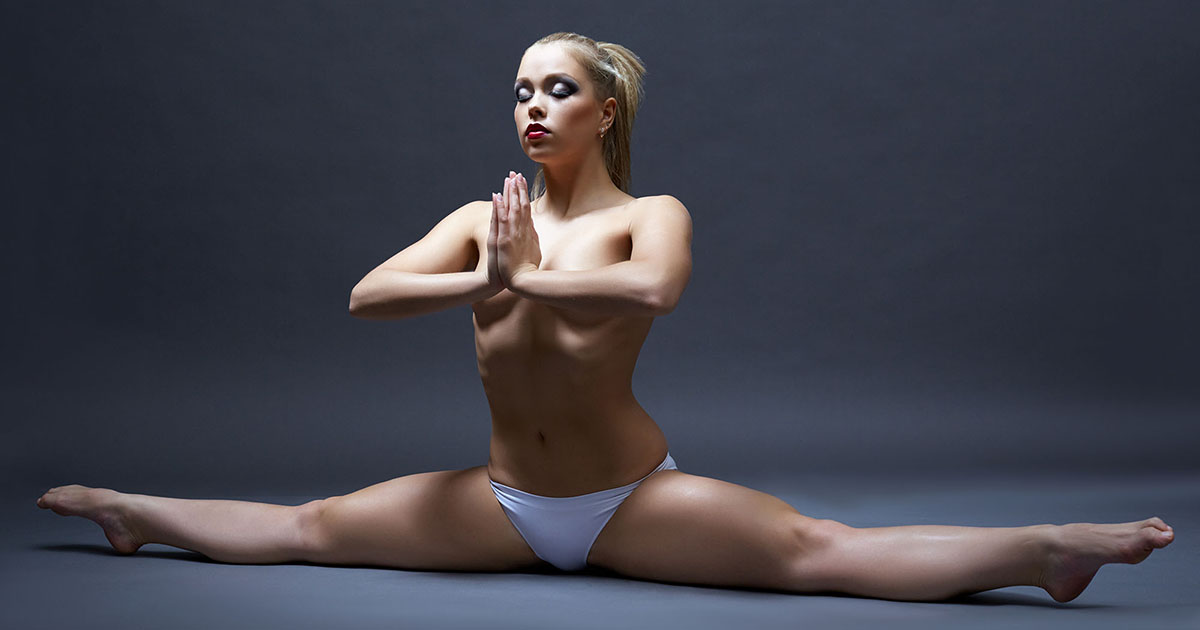
A common misconception is that nude yoga is about provocation or exhibitionism. In practice, it is often the opposite.
Nudity removes:
- Visual comparison
- Performance cues
- External markers of identity
What remains is sensation, breath, effort, and presence.
In this way, nude yoga aligns closely with modern somatic practices, which emphasize internal experience over external appearance.
The Science of Embodiment

Research in neuroscience and movement science shows that interoception (our ability to sense internal bodily states) and proprioception (our sense of body position and movement) play key roles in emotional regulation, coordination, and stress reduction.
Practicing movement with heightened sensory input can:
- Improve motor control
- Support nervous system regulation
- Reduce chronic stress and tension
- Increase confidence and body trust
Is Nude Yoga Sexual?
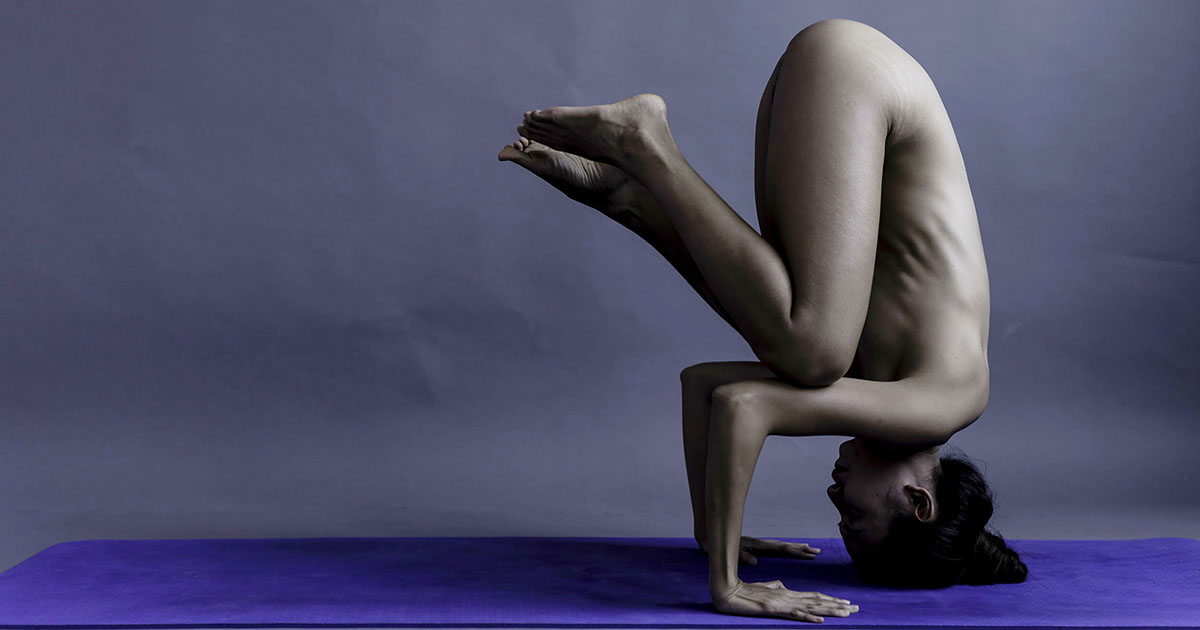
Nude yoga is sensual, not sexual.
Sensuality refers to experiencing the body through sensation—temperature, texture, breath, pressure, and movement. This distinction is important.
Sexualization imposes performance, expectation, and external gaze. Nude yoga actively moves away from those frameworks, encouraging practitioners to remain internally focused and self-directed.
Who Is Nude Yoga For?

Nude yoga is for people who:
- Want to develop a healthier relationship with their body
- Feel constrained by appearance-driven fitness culture
- Are curious about embodiment and sensory awareness
- Want accessible, functional movement practices
It is not about flexibility extremes, aesthetic goals, or perfection.
Accessibility and Safety
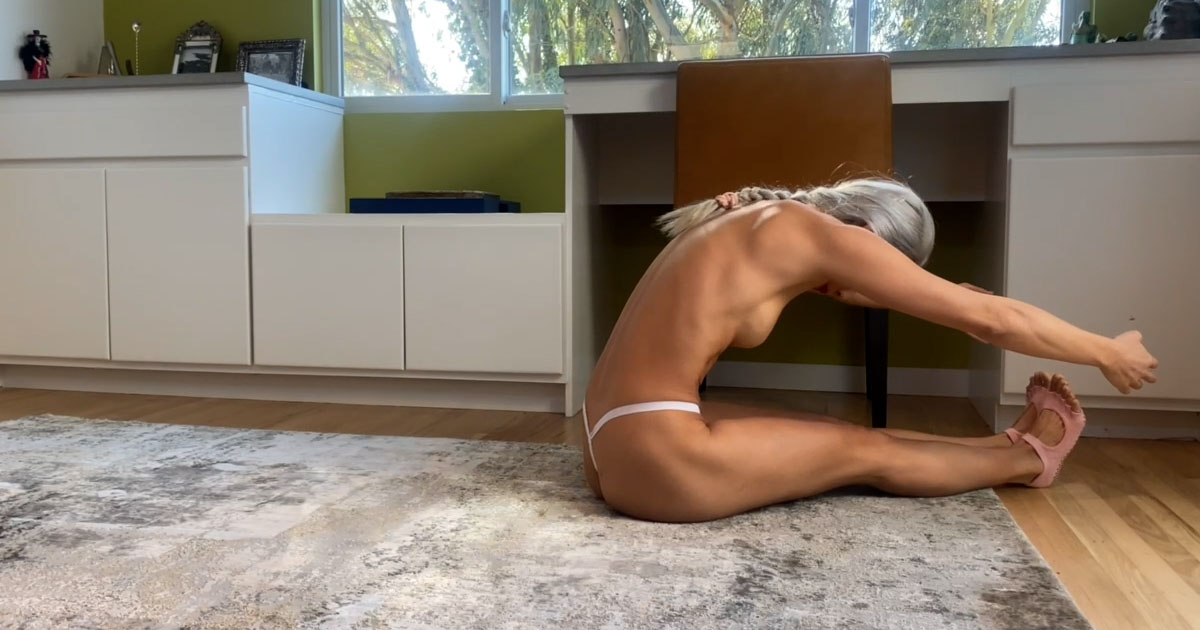
Nude yoga does not require:
- Advanced flexibility
- Special equipment
- A specific body type
Practices can be modified for different abilities, injuries, and experience levels. As with any movement practice, listening to your body and respecting personal boundaries is essential.
Nude Yoga in the Modern World

While nude yoga has gained attention in recent years, its principles are not new. Across cultures and eras, movement practices have explored the relationship between body, awareness, and environment.
Today, nude yoga exists at the intersection of:
- Modern movement science
- Somatic education
- Body neutrality and self-acceptance
It offers an alternative to fitness spaces driven by appearance, productivity, or self-optimization.