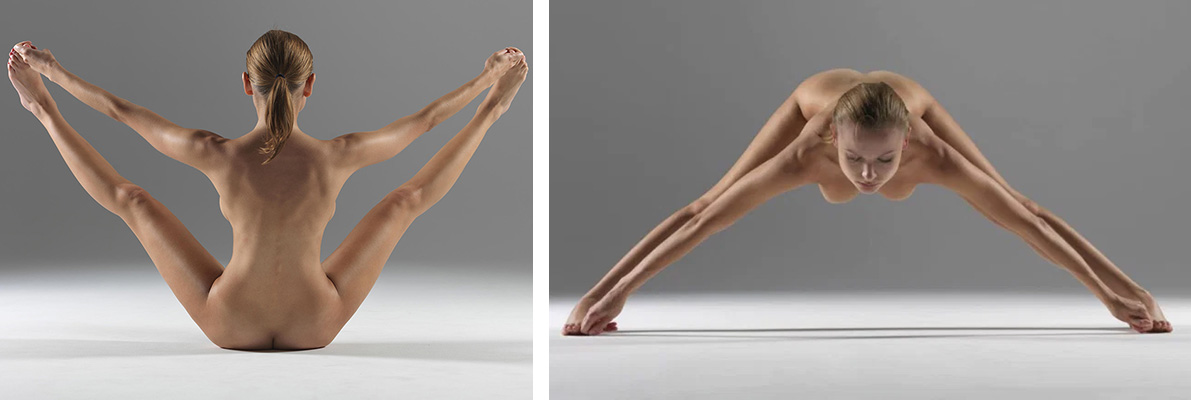

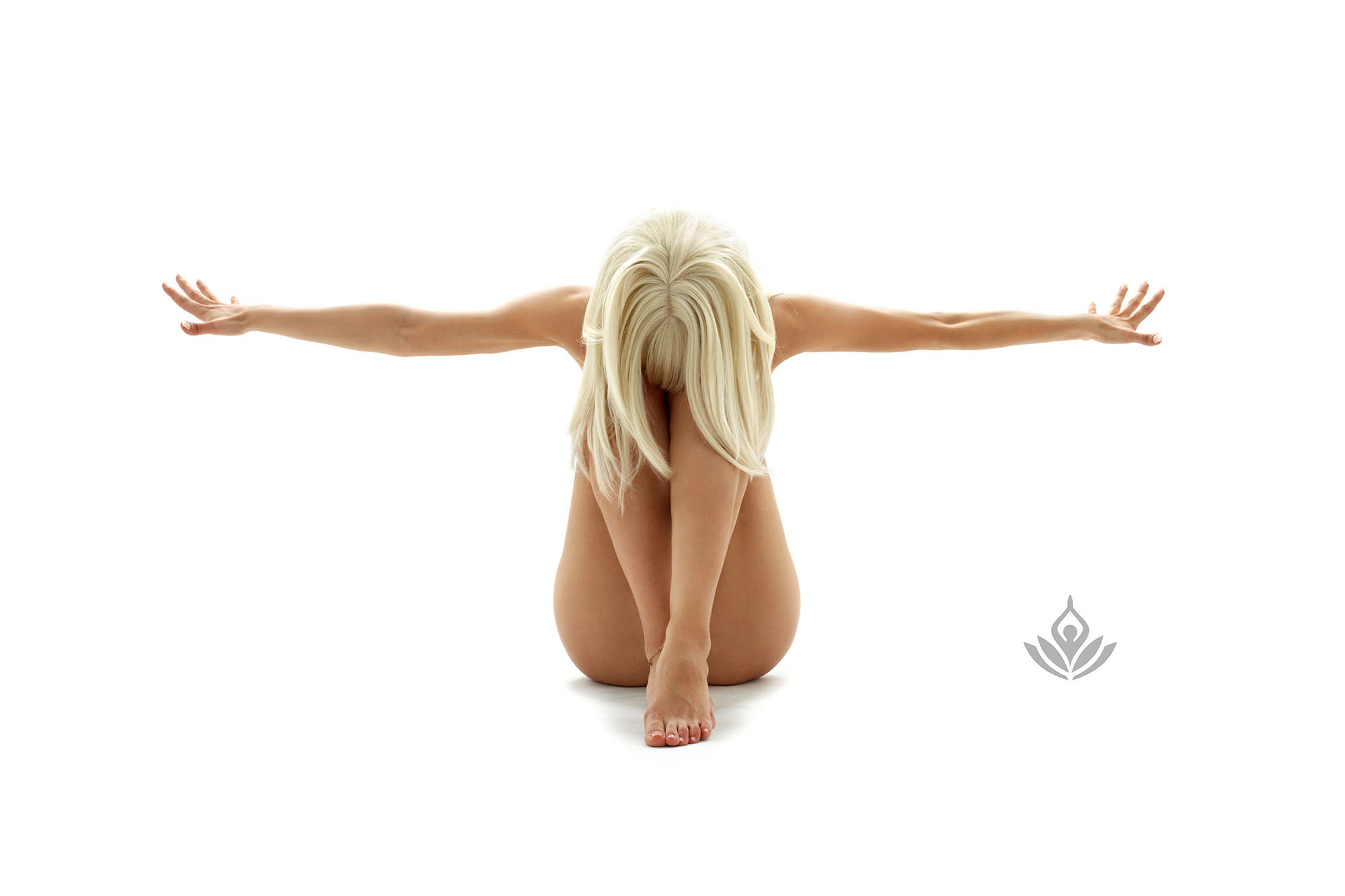
Why Is Nude Yoga Popular? Benefits, Body Acceptance & Mindfulness
UPDATED: 09/23/2026
Nude yoga is popular because it combines traditional yoga with body awareness, freedom of movement, mindfulness, and greater acceptance of the body. Practicing yoga without clothing removes a physical layer between the practitioner and the experience of movement, breathing, balance, stretching, and physical sensation. These naked yoga frequently asked questions should help you discover the benefits of naked or nude
For many people, nude yoga is not simply yoga without clothes. It can be a way to become more comfortable with the body, reduce self-consciousness, practice without restrictive clothing, and develop a more direct mind-body connection.
Also called naked yoga, the practice has attracted people interested in yoga, mindfulness, body acceptance, natural movement, self-confidence, and alternative approaches to wellness. Some practice privately at home, while others participate in nude or clothing-optional yoga classes and communities.

What Is Nude Yoga?
Nude yoga is the practice of traditional yoga poses, breathing, stretching, meditation, and mindfulness without clothing. Depending on the class or practitioner, it can include many of the same elements found in a conventional yoga practice, including asanas, breathwork, balance, flexibility, relaxation, and meditation.
The primary difference is the absence of clothing. While that might sound like a small change, it can significantly affect how a person experiences yoga.
Without clothing, practitioners may become more aware of posture, alignment, muscle engagement, breathing, temperature, movement, and contact with the yoga mat. They may also become more aware of their feelings about their own bodies.
That combination of physical and emotional awareness is one of the reasons people are drawn to nude yoga.
Why Do People Practice Nude Yoga?
People practice nude yoga for many different reasons. Some are interested in improving their yoga practice, while others are attracted to the body-awareness, mindfulness, confidence, or body-acceptance aspects of practicing without clothing.
Common reasons people explore nude or naked yoga include:
- Body acceptance: Practicing without clothing can encourage people to experience their bodies without hiding perceived imperfections.
- Greater body awareness: Without clothing, it can be easier to observe posture, alignment, breathing, muscle engagement, and movement.
- Freedom of movement: Removing clothing eliminates waistbands, straps, compression fabrics, and other potential physical distractions.
- Mindfulness: Increased awareness of physical sensations can help bring attention back to the present moment.
- Mind-body connection: Practitioners may become more aware of how breathing, thoughts, emotions, balance, and movement interact.
- Confidence: Becoming comfortable practicing without clothing may help some people feel more comfortable and confident in their bodies.
- Personal growth: Trying something outside a person’s normal comfort zone can provide an opportunity to examine self-consciousness and judgment.
- Community: A respectful group nude yoga environment can create a shared experience centered on openness, acceptance, and yoga rather than appearance.
What Are the Benefits of Nude Yoga?
Many of the benefits associated with nude yoga begin with the same foundations as traditional yoga: movement, stretching, breathing, balance, concentration, relaxation, and mindfulness.
The absence of clothing adds another dimension to the experience.
For some practitioners, nude yoga can provide a greater sense of physical freedom. For others, the most meaningful benefit is becoming more comfortable seeing and experiencing their body without immediately judging it.
Potential benefits people associate with nude yoga include:
- Greater awareness of the body during movement
- Freedom from restrictive yoga clothing
- Increased awareness of posture and alignment
- Greater comfort with one’s natural body
- Less focus on clothing, fashion, and appearance
- Opportunities to practice body acceptance
- Increased mindfulness of physical sensations
- A stronger sense of connection between mind and body
- Greater confidence and reduced self-consciousness for some practitioners
- A feeling of freedom or liberation during movement
These experiences vary from person to person. Nude yoga is not automatically more effective than clothed yoga, but removing clothing can change how a practitioner experiences familiar movements and their relationship with their body.
Why Practice Yoga Without Clothes?
One of the simplest reasons people practice yoga without clothes is that clothing is not necessary for most yoga movements when practicing in an appropriate private or clothing-optional environment.
Yoga clothing can stretch, compress, bunch, slide, or require adjustment during movement. Practicing nude removes those distractions entirely.
But the difference can be psychological as well as physical.
Clothing is one of the ways people present themselves to the world. It can communicate fashion, status, personality, gender expression, profession, lifestyle, and identity. Removing it temporarily during a mindful practice can reduce some of those external signals.
The focus can shift toward something simpler: breathing, moving, balancing, stretching, and experiencing the body as it is.
Can Nude Yoga Improve Body Acceptance?
Body acceptance is one of the most common reasons people become interested in nude yoga.
Many people spend years evaluating their bodies primarily through appearance. Mirrors, clothing sizes, photographs, social media, fitness culture, and beauty standards can all encourage people to think about how their bodies look to other people.
Yoga provides an opportunity to shift that perspective toward what the body is experiencing and doing.
Instead of asking, “How does my body look?” the practice can encourage different questions:
- How does this movement feel?
- Where am I holding tension?
- How is my breathing changing?
- Where do I feel strong?
- Where do I feel restricted?
- What happens when I relax?
Practicing nude can make that experience more direct because the body is not being covered, shaped, compressed, or decorated by clothing.
For some practitioners, repeated exposure to their natural body can also make nudity feel less unusual. The body can gradually become something to experience rather than something that constantly needs to be evaluated.
Is Nude Yoga About Body Positivity or Body Neutrality?
Nude yoga can support both body positivity and body neutrality, depending on the individual.
Body positivity often emphasizes appreciating and celebrating the body. Body neutrality places less emphasis on appearance and more emphasis on accepting the body and recognizing what it allows a person to experience and do.
Yoga can fit naturally with the latter approach.
You do not necessarily have to believe that every part of your body is beautiful to practice yoga without clothing. The goal can simply be to experience your body without constantly judging it.
That distinction can make nude yoga approachable for people who find the idea of unconditional body positivity difficult or unrealistic.
Does Nude Yoga Improve the Mind-Body Connection?
Nude yoga may help some practitioners develop a stronger awareness of physical sensations because there is no clothing between the body and the surrounding environment.
You may notice the temperature of the room, movement of air across the skin, contact with the yoga mat, muscle engagement, changes in posture, stretching, balance, and breathing more clearly.
These sensations provide information about what is happening in the body in the present moment.
That awareness complements one of yoga’s central principles: bringing attention away from distraction and toward the immediate experience of the body and mind.
Is Nude Yoga Sexual?
Nude yoga itself is not inherently sexual. Nudity and sexuality are not the same thing, and a legitimate nude yoga practice is centered on yoga, movement, breathing, mindfulness, body awareness, and personal boundaries.
This distinction is important because nudity is often sexualized in popular culture and media. Someone encountering the idea of naked yoga for the first time may therefore assume that sexuality is part of the practice.
In a wellness-oriented nude yoga environment, the focus should remain on the practice itself. A professionally run class should establish clear expectations around respectful behavior, personal space, consent, privacy, and boundaries.
For many practitioners, one of the interesting aspects of nude yoga is actually learning to experience nudity in a context that is not centered on sexuality or physical appearance.
Is Nude Yoga Different From Regular Yoga?
The fundamentals of nude yoga can be very similar to regular yoga. Practitioners may perform familiar poses and sequences while incorporating breathing exercises, stretching, balance, meditation, and relaxation.
The major difference is the experience created by removing clothing.
Practicing nude can increase awareness of the body and may initially increase self-consciousness. With time, however, some practitioners find that they pay less attention to appearance and more attention to movement and physical sensation.
In that sense, nude yoga does not necessarily require a completely different form of yoga. It changes the environment in which yoga is experienced.
Can Beginners Practice Nude Yoga?
Yes. You do not need to be an experienced yogi to explore nude yoga. Beginners can start with simple poses, stretching, breathing, and mindfulness exercises just as they would with any introductory yoga practice.
It is also not necessary to begin in a group.
Someone curious about nude yoga may feel more comfortable experimenting privately at home. This provides an opportunity to experience movement without clothing without worrying about other people.
Simple poses and gentle movements can help beginners focus on how the practice feels rather than how advanced or flexible they are.
Nude Yoga at Home vs. a Nude Yoga Class
Both private and group nude yoga practices have advantages.
Practicing Nude Yoga at Home
Home practice provides privacy and control over the environment. You can choose the temperature, lighting, music, poses, duration, and level of nudity that feels comfortable.
For beginners who are curious but self-conscious, practicing nude yoga at home can be an approachable way to explore the experience.
It also allows you to become familiar with how movement feels without clothing before deciding whether you would ever want to participate in a group class.
Taking a Nude Yoga Class
A group class provides instruction and the experience of practicing with other people. A well-run class can also help normalize different body shapes, sizes, ages, and levels of yoga experience.
Seeing ordinary human bodies rather than idealized bodies can be meaningful for some participants. It can reinforce the idea that yoga is about experiencing and moving the body rather than achieving a particular appearance.
Group practice also adds an element of community that cannot be recreated in quite the same way when practicing alone.
What Happens in a Nude Yoga Class?
A nude yoga class will vary depending on the instructor and style of yoga, but the basic structure may resemble a traditional yoga class.
Participants may begin with breathing, grounding, or meditation before moving through yoga poses and stretches. The class may conclude with relaxation or meditation.
The major difference is that participants practice without clothing or, in some environments, have the option to practice clothing-optional.
Respectful nude yoga environments should also make expectations clear. Participants should understand policies concerning privacy, photography, personal space, touching, consent, and appropriate behavior before the class begins.
Why Can Nude Yoga Feel Liberating?
Clothing is such a normal part of everyday life that removing it intentionally in an appropriate setting can feel surprisingly significant.
Some people describe nude yoga as liberating because they temporarily stop worrying about what they are wearing, whether an outfit is flattering, whether their body fits a particular ideal, or how they compare with other people.
There is simply a person, a body, a yoga mat, movement, and breath.
For people who spend a great deal of time thinking about appearance, that simplicity can be refreshing.
Why Has Nude Yoga Become More Popular?
Interest in nude yoga has grown alongside broader cultural conversations about mindfulness, body acceptance, body neutrality, natural movement, mental wellness, and authentic self-expression.
The internet has also made alternative forms of yoga easier to discover. People no longer need to find a specialized local studio before learning what nude yoga is or exploring the practice.
Online instruction and private home practice can give curious beginners an accessible starting point. Nude and clothing-optional wellness communities can provide opportunities for people who eventually want a shared experience.
At the same time, people increasingly encounter highly edited and idealized representations of bodies online. Practices that encourage people to experience ordinary, natural bodies without filters or constant comparison may offer an appealing counterbalance.
Do You Need a Certain Body Type for Nude Yoga?
No. There is no particular body type required for nude yoga.
You do not need to be especially flexible, thin, muscular, young, experienced, or completely confident about your appearance.
In fact, the idea that someone needs to “look good enough” before practicing nude yoga conflicts with one of the reasons many people explore it in the first place.
Yoga is a practice involving the body you have now. Nude yoga simply makes that reality more visible.
How Can You Start Practicing Nude Yoga?
For someone who is curious about nude yoga, starting privately can make the experience much less intimidating.
Choose a comfortable, private space with a suitable temperature and enough room to move safely. Begin with familiar stretches or basic yoga poses rather than trying to make the experience complicated.
Pay attention to breathing, movement, balance, muscle engagement, and how your body feels without clothing.
You may initially feel self-conscious. Rather than treating that feeling as a problem, simply notice it. Self-awareness is part of the practice.
As the session continues, try returning your attention to your breath and physical sensations whenever thoughts about appearance arise.
That process — noticing judgment and returning to the present experience — is itself a form of mindfulness.
Frequently Asked Questions About Nude Yoga
Why is nude yoga becoming popular?
Nude yoga appeals to people interested in yoga, mindfulness, body awareness, body acceptance, natural movement, and freedom from restrictive clothing. Practicing without clothing can also create a different relationship with the body than conventional yoga.
What is the point of doing yoga naked?
Practicing yoga naked removes clothing as a physical and psychological distraction. Some practitioners find this increases awareness of movement, alignment, breathing, physical sensations, and their relationship with their bodies.
Is naked yoga the same as nude yoga?
Yes. The terms naked yoga and nude yoga generally describe the same practice: performing yoga without clothing.
Do you have to be comfortable with your body to practice nude yoga?
No. Some people explore nude yoga specifically because they want to become more comfortable with their bodies. Comfort and confidence can develop gradually rather than being prerequisites for beginning.
Can I practice nude yoga by myself?
Yes. Private home practice can be one of the easiest ways to explore nude yoga, particularly for beginners who are not comfortable practicing without clothing around other people.
Is nude yoga appropriate for beginners?
Yes. Beginners can practice simple yoga poses, stretching, breathing, and mindfulness without clothing. As with traditional yoga, the practice can be adapted to a person’s experience, flexibility, and physical abilities.
What should I look for in a nude yoga class?
Look for clear information about the instructor, class format, privacy, consent, personal boundaries, photography policies, and expected behavior. A professional class should make participants feel informed, respected, and comfortable establishing their own boundaries.
Is nude yoga about being seen by other people?
It does not have to be. Many people practice nude yoga entirely in private. Even in group classes, the emphasis should be on yoga, mindfulness, movement, and body awareness rather than displaying or evaluating bodies.
So, Why Is Nude Yoga Popular?
Nude yoga is popular because removing clothing can change the way people experience an already familiar wellness practice.
For some, the appeal is physical: unrestricted movement and greater awareness of posture and alignment. For others, it is psychological: becoming less self-conscious and more accepting of their bodies. Others appreciate the mindfulness, vulnerability, freedom, or community that can accompany the experience.
Ultimately, nude yoga is less about simply taking your clothes off and more about changing the relationship you have with your body while you move.
It creates an opportunity to focus on what the body can feel and do rather than continually evaluating how it looks.
For people interested in exploring the practice further, learn more about the reasons people practice nude and naked yoga or begin with a private nude yoga practice at home.