
Naked Yoga Resource Center
What is nude yoga?
Nude Yoga Resources: A Complete Guide to Practice, Benefits, Safety, and Getting Started
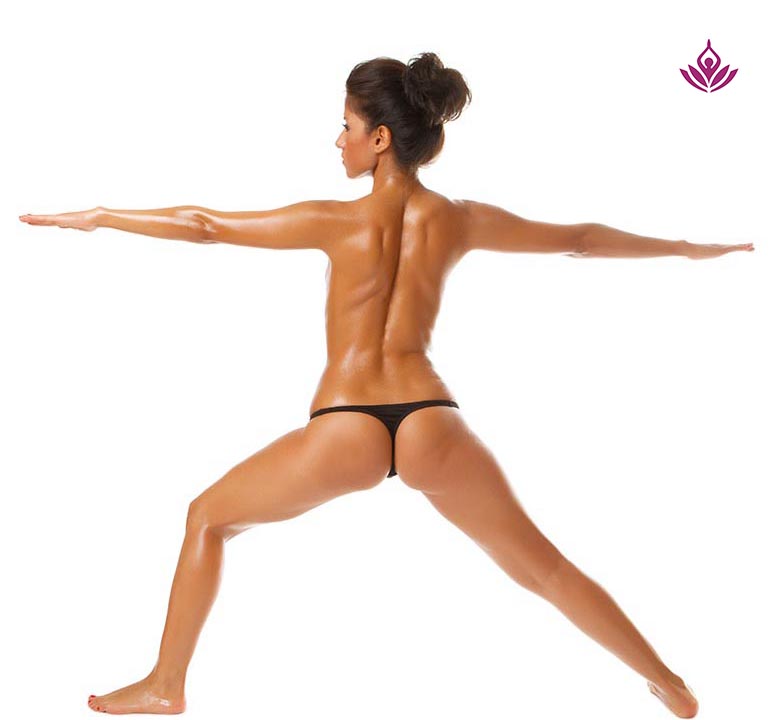
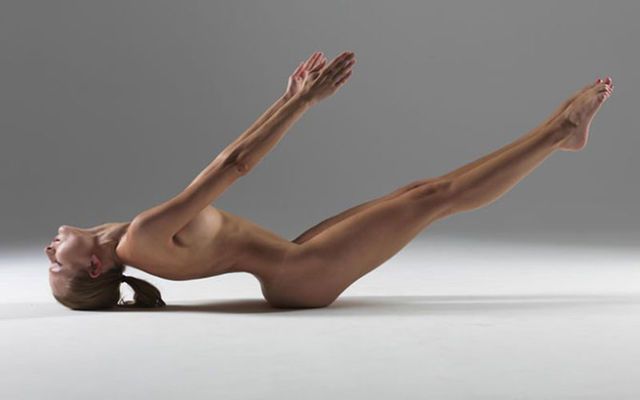
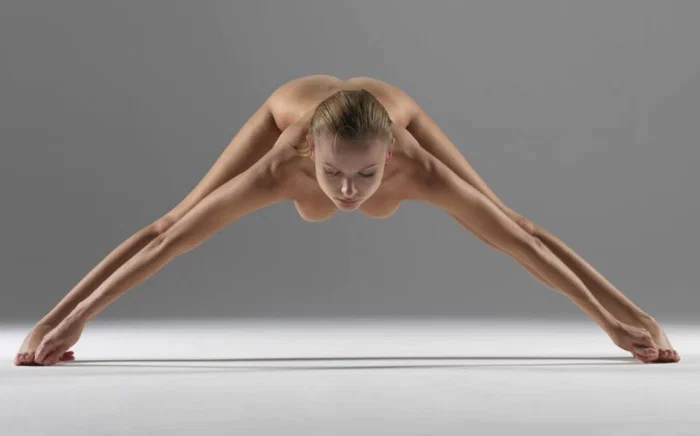
Nude yoga is the practice of yoga without clothing. While often misunderstood, it is fundamentally a mindfulness and movement practice that emphasizes body awareness, freedom of movement, and a deeper connection to the present moment. These naked yoga frequently asked questions should help you discover the benefits of naked or nude yoga.
For many practitioners, removing clothing can reduce distractions, increase comfort, and create a more direct relationship with the body. Whether your goal is flexibility, stress reduction, body acceptance, mobility, or simply exploring a new approach to wellness, nude yoga offers a unique way to experience the physical and mental benefits of yoga.
This comprehensive guide explores what nude yoga is, its history, benefits, common misconceptions, safety considerations, beginner-friendly poses, and resources for developing a sustainable practice.
Table of Contents
- What Is Nude Yoga?
- The History of Nude Yoga
- Benefits of Nude Yoga
- Common Myths About Nude Yoga
- How to Start Nude Yoga at Home
- Best Nude Yoga Poses for Beginners
- Nude Yoga and Body Confidence
- Nude Yoga for Adults Over 40
- Nude Yoga and Mindfulness
- Nude Yoga vs. Naked Fitness
- Creating a Sustainable Nude Yoga Practice
- Safety and Hygiene Considerations
- Who Can Benefit From Nude Yoga?
- Nude Yoga Resources & Communities
- Featured Online Nude Yoga Programs
- How to Choose an Online Nude Yoga Program
- Related Resources
- Start Your Nude Yoga Journey
What Is Nude Yoga?
Nude yoga, sometimes called naked yoga or clothing-optional yoga, is the practice of yoga without wearing clothing. The practice incorporates the same breathing techniques, postures, mindfulness principles, and movement patterns found in traditional yoga.
The primary difference is the absence of clothing. For some practitioners, this creates a greater sense of physical freedom and body awareness. For others, it becomes an opportunity to explore self-acceptance, presence, and comfort in their own skin.
Why People Practice Nude Yoga
- Greater body awareness
- Improved freedom of movement
- Enhanced mindfulness
- Reduced self-consciousness
- Body acceptance and confidence
- Stress reduction and relaxation
- Connection between breath and movement
- A more direct sensory experience
Nude Yoga vs. Traditional Yoga
Nude yoga and traditional yoga share the same foundation. Both emphasize movement, breath control, mindfulness, and overall well-being.
The difference is that nude yoga removes clothing as an additional layer between the practitioner and their experience. Many people find that this increases awareness of posture, alignment, temperature, muscular engagement, and breathing patterns.
The History of Nude Yoga
The relationship between movement, simplicity, and minimalism has existed in various wellness traditions for centuries. While modern nude yoga is largely associated with contemporary naturist and body-positive communities, the broader idea of practicing movement with fewer material distractions has historical roots.
Ancient yogic traditions often emphasized simplicity, non-attachment, and direct experience. While modern nude yoga should not be viewed as a direct continuation of ancient practices, many practitioners appreciate the shared focus on awareness, presence, and authenticity.
During the twentieth century, naturist movements in Europe and North America helped popularize clothing-optional recreation and wellness activities. As yoga grew in popularity, some communities combined these ideas into organized nude yoga classes and private practice groups.
Today, nude yoga is practiced by individuals around the world in private homes, online classes, wellness retreats, and clothing-optional communities.
Benefits of Nude Yoga
Greater Body Awareness
Without clothing, practitioners often notice movement patterns more clearly. Posture, alignment, balance, muscular engagement, and breathing become easier to observe.
This increased awareness can help practitioners develop better movement habits and a deeper understanding of how their body functions.
Improved Freedom of Movement
Tight waistbands, restrictive fabrics, and shifting clothing can occasionally interfere with movement. Practicing without clothing removes these distractions and may create a greater sense of ease during stretching, mobility work, and yoga flows.
Enhanced Mindfulness
Nude yoga encourages practitioners to be present with their experience. Many people report that the practice requires a higher degree of awareness and intentionality, which can strengthen mindfulness skills both on and off the mat.
Body Acceptance and Self-Confidence
One of the most frequently cited benefits of nude yoga is its impact on body image and self-acceptance.
Rather than viewing the body primarily through an aesthetic lens, practitioners often begin focusing on what the body can do. This shift from appearance to function can support healthier self-perception, body neutrality, and increased confidence.
Stress Reduction
Like traditional yoga, nude yoga can help reduce stress by combining controlled breathing, mindful movement, and relaxation techniques.
Many practitioners find that slowing down and reconnecting with their body creates a calming effect that extends beyond the practice itself.
Common Myths About Nude Yoga
Myth: Nude Yoga Is Sexual
Nude yoga is generally practiced as a wellness, mindfulness, and movement discipline.
The focus is on breath, posture, flexibility, awareness, and self-development rather than sexual activity.
Myth: You Need a Certain Body Type
Yoga is for people of many ages, sizes, backgrounds, and fitness levels.
Nude yoga communities often emphasize inclusivity and body acceptance rather than appearance.
Myth: Nude Yoga Is Only for Experienced Yogis
Many people begin practicing yoga as complete beginners.
Simple poses, breathing exercises, and short sessions can be effective regardless of prior experience.
Myth: Everyone Feels Comfortable Immediately
Comfort develops gradually. It is normal to feel uncertain when beginning a new practice.
Many practitioners start with short private sessions and build confidence over time.
How to Start Nude Yoga at Home
Create a Comfortable Environment
- Choose a private space
- Maintain a comfortable room temperature
- Reduce distractions
- Use a yoga mat
- Keep water nearby
- Consider calming music if desired
Begin with Familiar Movements
If you already practice yoga, begin with poses you know well.
If you are new to yoga, focus on simple movements that help you become comfortable with breathing and body awareness.
Focus on Breathing
Breathing is central to yoga practice.
Start by paying attention to slow, steady breaths. Allow movement to follow the rhythm of your breathing rather than forcing positions.
Move Slowly
There is no need to rush.
A slow, mindful pace helps improve awareness and allows the body to adapt comfortably.
Best Nude Yoga Poses for Beginners
Mountain Pose
Mountain Pose is a simple standing posture that promotes balance, posture awareness, and grounding.
Cat-Cow Stretch
This gentle movement sequence helps improve spinal mobility while connecting movement with breathing.
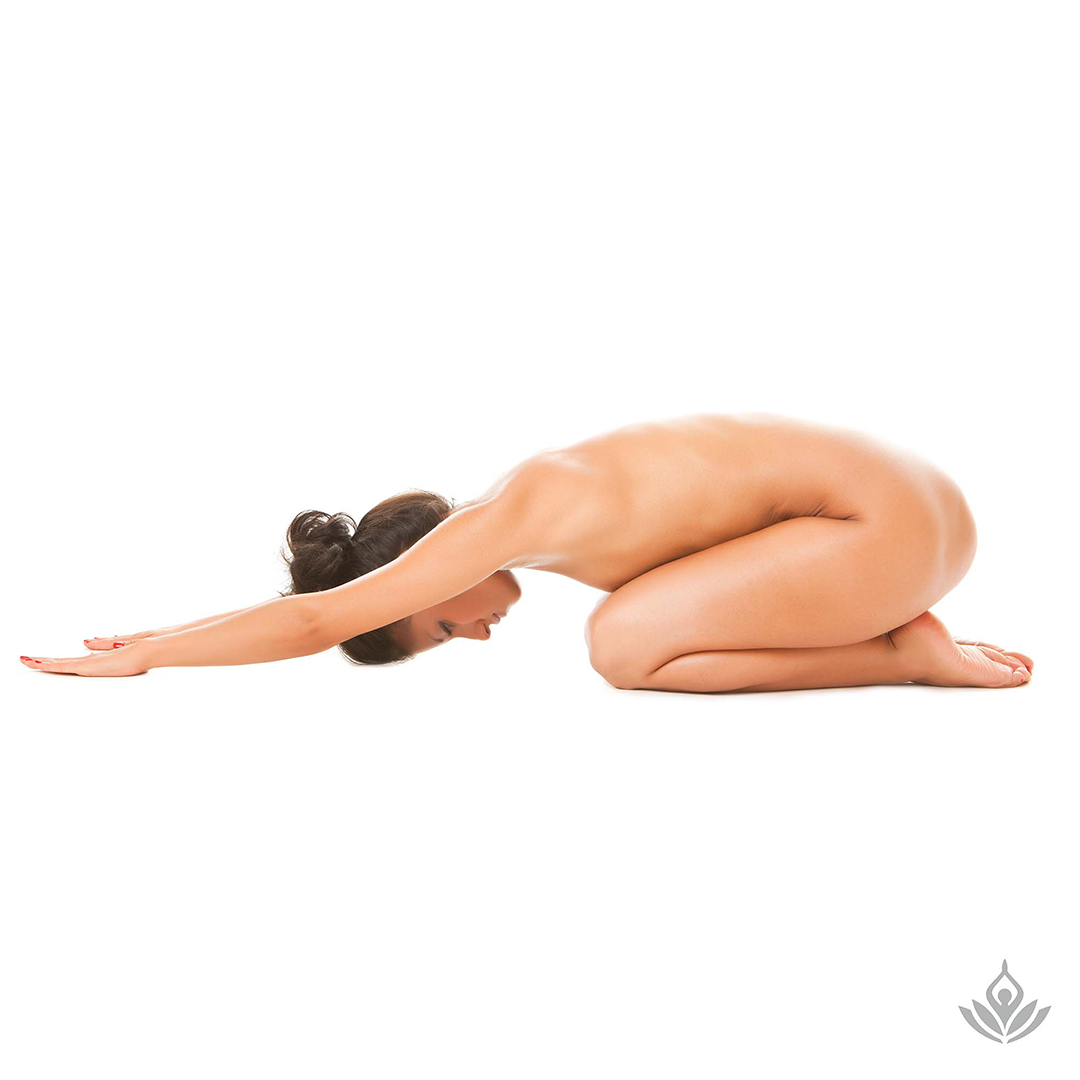
Child’s Pose
Child’s Pose is a restorative posture that encourages relaxation and nervous system regulation.
Low Lunge
Low Lunge helps improve hip mobility and lower body flexibility while strengthening balance and coordination.
Seated Forward Fold
This posture promotes hamstring flexibility and encourages calm, steady breathing.
Supine Twist
A gentle twisting posture can help release tension and improve spinal mobility.
Nude Yoga and Body Confidence
One of the reasons many people are drawn to nude yoga is the opportunity to develop a healthier relationship with their body. Unlike environments that emphasize appearance or performance, yoga encourages practitioners to focus on movement, breathing, awareness, and personal growth.
Body confidence is often misunderstood as feeling positive about appearance at all times. In reality, confidence often develops through experience, self-respect, and trust in one’s abilities.
Nude yoga can support this process by encouraging practitioners to experience their bodies as functional, capable, and deserving of care.
Rather than focusing on appearance, practitioners frequently report greater appreciation for:
- Strength
- Mobility
- Balance
- Breathing capacity
- Flexibility
- Physical resilience
Over time, many people find themselves becoming more comfortable and accepting of natural physical differences.
Nude Yoga for Adults Over 40
As we age, maintaining mobility, flexibility, balance, and strength becomes increasingly important.
Nude yoga can be an effective addition to a long-term wellness routine because it emphasizes sustainable movement rather than high-intensity performance.
Benefits for Adults Over 40
- Improved mobility
- Joint health support
- Enhanced balance
- Stress management
- Recovery and relaxation
- Body awareness
- Flexibility maintenance
Many practitioners find that yoga becomes less about achievement and more about maintaining quality of life, movement capacity, and overall well-being.
Nude Yoga and Mindfulness
Mindfulness involves paying attention to the present moment without judgment.
Nude yoga naturally supports mindfulness because it encourages awareness of breathing, posture, movement, sensation, and emotional state.
Many practitioners use nude yoga as part of a broader wellness routine that may include:
- Meditation
- Breathwork
- Journaling
- Walking
- Mobility training
- Stress management practices
Nude Yoga vs. Naked Fitness
Although the terms are sometimes used interchangeably, nude yoga and naked fitness are often practiced for different reasons.
Nude yoga typically emphasizes mindfulness, flexibility, breathing, mobility, relaxation, and body awareness. The pace is often slower and more intentional.
Naked fitness may include strength training, bodyweight exercises, cardiovascular workouts, mobility work, or athletic performance training performed without clothing.
Many people find that the two practices complement each other. Yoga can improve flexibility, recovery, and body awareness, while strength training and fitness routines can help develop muscular endurance, balance, and overall physical capacity.
At Naked Fit Club, both approaches are incorporated into a broader philosophy of sustainable wellness, helping members build strength, mobility, confidence, and consistency through movement practices that support long-term health.
Creating a Sustainable Nude Yoga Practice
Start Small
Consistency is more important than duration.
Even ten minutes per day can provide meaningful benefits when practiced regularly.
Build a Routine
- 10 minutes daily
- 20 minutes three times weekly
- Weekend recovery sessions
- Morning mobility routines
- Evening relaxation practices
Measure Progress Differently
Progress does not have to be defined by flexibility or difficult poses.
Consider tracking:
- Consistency
- Stress levels
- Energy levels
- Sleep quality
- Comfort with movement
- Body awareness
Safety and Hygiene Considerations
Use a Clean Yoga Mat
Clean your mat regularly and maintain a hygienic practice environment.
Maintain Comfortable Temperature
Warm muscles generally move more comfortably and safely.
Listen to Your Body
Avoid forcing flexibility or pushing through pain.
Respect Your Boundaries
Move at a pace that feels appropriate for your experience and comfort level.
Who Can Benefit From Nude Yoga?
Nude yoga may appeal to:
- Yoga beginners
- Experienced practitioners
- Individuals exploring mindfulness
- People seeking greater body acceptance
- Those interested in naturist wellness practices
- Adults looking for low-impact movement
- Individuals developing home wellness routines
Nude Yoga Resources & Communities
Nude yoga exists within a broader landscape of yoga education, mindfulness practices, body-positive wellness, and naturist communities.
The following organizations and resources may provide additional educational information and support for your wellness journey.
Yoga Education & Practice
- Yoga Alliance – Teacher directories, educational resources, and information about yoga training, standards, and certification.
- Yoga Journal – Pose guides, wellness articles, meditation resources, yoga philosophy, and instructional content.
- Yoga International – Online classes, workshops, and educational content for yoga practitioners of all levels.
- DoYogaWithMe – Free and premium yoga classes covering a variety of styles, experience levels, and practice goals.
Mindfulness & Meditation Resources
- Mindful.org – Articles, research, and practical guidance on mindfulness, meditation, and emotional well-being.
- Insight Timer – Guided meditations, breathing exercises, sleep content, and mindfulness tools.
Body Acceptance & Embodiment Resources
- The Body Positive – Educational resources focused on body image, self-acceptance, and developing a healthier relationship with the body.
- Center for Body Trust – Resources centered on embodiment, body respect, intuitive living, and sustainable wellness.
Naturist & Clothing-Optional Communities
- American Association for Nude Recreation (AANR) – Educational information about naturism, clothing-optional recreation, community standards, and events.
- The Naturist Society Foundation – Advocacy, educational resources, and information supporting naturist values and body acceptance.
- International Naturist Federation – Global naturist organization providing educational resources and information on naturist communities worldwide.
Movement & Mobility Education
- MoveU – Educational content focused on mobility, posture, movement quality, and injury prevention.
- Physiopedia – A large educational resource covering anatomy, movement science, rehabilitation, and physical health.
Every wellness journey is personal. Explore resources that align with your goals, values, comfort level, and experience. Whether you’re interested in yoga, mindfulness, body acceptance, mobility training, or clothing-optional wellness, the most sustainable practices are those that help you feel grounded, healthy, and connected to your body.
Featured Online Nude Yoga Programs
Online nude yoga programs have made clothing-optional wellness more accessible than ever. Whether you’re looking for beginner-friendly classes, guided mobility routines, mindfulness practices, or ongoing instruction, there are a variety of approaches available.
The following programs represent different styles and teaching philosophies. As with any wellness practice, consider your personal goals, experience level, and comfort when selecting a program.
Naked Fit Club
Naked Fit Club offers a library of clothing-optional yoga, mobility, strength, stretching, and mindfulness practices designed to help adults build a sustainable relationship with movement and wellness.
Programs emphasize body awareness, nervous system regulation, flexibility, mobility, and practical fitness rather than appearance-based goals. Classes are designed for a range of experience levels and can be practiced from home.
Yoga International
Yoga International provides a large collection of traditional yoga classes, workshops, and educational resources covering movement, meditation, anatomy, and yoga philosophy.
While not a nude yoga platform, many practitioners use these resources to deepen their understanding of yoga fundamentals and integrate them into their personal practice.
DoYogaWithMe
DoYogaWithMe offers a broad library of yoga classes suitable for beginners through advanced practitioners.
Its accessible online format makes it a useful resource for those developing a home-based yoga routine.
Insight Timer
Insight Timer is primarily known for meditation and mindfulness content, but many practitioners pair guided meditation and breathwork with their yoga practice.
Developing mindfulness skills can help support the self-awareness and presence often associated with nude yoga.
How to Choose an Online Nude Yoga Program
When evaluating online yoga resources, consider the following:
- Instructor credentials and experience
- Teaching style and philosophy
- Beginner-friendly options
- Class length and format
- Mobility and flexibility content
- Mindfulness and breathing instruction
- Community and support resources
- Consistency of new content
The best program is the one you will actually use consistently. A sustainable practice built around realistic routines often provides more benefit than an ambitious program that becomes difficult to maintain.
Related Resources
- The Benefits of Naked Fitness
- Beginner’s Guide to Naked Fitness
- Body Acceptance Through Movement
- Mindful Movement Practices
- Nude Fitness at Home
- Naked Fit Club Video Library
Start Your Nude Yoga Journey
Nude yoga offers an opportunity to explore movement with fewer distractions and greater awareness.
Whether your goal is flexibility, stress reduction, mindfulness, mobility, body confidence, or overall well-being, a consistent practice can help strengthen the connection between mind and body.
There is no perfect way to begin. Start where you are, move at your own pace, and allow the practice to evolve naturally over time.
With patience, curiosity, and consistency, nude yoga can become a meaningful part of a lifelong wellness routine.
Frequently Asked Questions About Nude Yoga
What is nude yoga?
Nude yoga is the practice of yoga without clothing. It combines traditional yoga postures, breathing techniques, and mindfulness practices with a clothing-optional approach that emphasizes body awareness, freedom of movement, and a deeper connection to the body.
Is nude yoga the same as naked yoga?
Yes. The terms nude yoga and naked yoga are generally used interchangeably. Both refer to practicing yoga without clothing and focus on movement, mindfulness, flexibility, and self-awareness.
What are the benefits of nude yoga?
Common benefits include increased body awareness, greater freedom of movement, improved flexibility, enhanced mindfulness, stress reduction, body acceptance, and a stronger connection between breath and movement.
Is nude yoga sexual?
No. Nude yoga is typically practiced as a wellness and mindfulness discipline. The focus is on breathing, movement, flexibility, and self-awareness rather than sexual activity.
Can beginners practice nude yoga?
Absolutely. Many people begin nude yoga with little or no previous yoga experience. Starting with simple poses and short sessions can help build comfort and confidence.
Do I need to be flexible to start nude yoga?
No. Flexibility is a result of practice, not a requirement. Yoga can help improve mobility and flexibility over time regardless of your starting point.
Can I practice nude yoga at home?
Yes. Home practice is one of the most common ways people begin nude yoga because it provides privacy, comfort, and flexibility in scheduling.
What equipment do I need for nude yoga?
A yoga mat and enough space to move comfortably are generally all you need. Optional props include yoga blocks, straps, bolsters, cushions, and blankets.
What are the best nude yoga poses for beginners?
Beginner-friendly poses include Mountain Pose, Child’s Pose, Cat-Cow Stretch, Low Lunge, Seated Forward Fold, and Supine Twist. These poses help develop mobility, flexibility, balance, and body awareness.
Can nude yoga improve body confidence?
Many practitioners report improved body acceptance and self-confidence over time. Nude yoga often shifts focus away from appearance and toward movement, function, and overall well-being.
How often should I practice nude yoga?
Consistency matters more than duration. Even two or three sessions per week can provide meaningful benefits when practiced regularly.
Is nude yoga good for stress relief?
Like traditional yoga, nude yoga can help reduce stress by combining mindful movement, controlled breathing, relaxation techniques, and present-moment awareness.
Can adults over 40 benefit from nude yoga?
Yes. Many adults over 40 use yoga to support mobility, flexibility, balance, recovery, stress management, and long-term wellness.
What is the difference between nude yoga and naked fitness?
Nude yoga typically focuses on mindfulness, mobility, flexibility, breathing, and relaxation. Naked fitness often includes strength training, cardiovascular exercise, conditioning, and athletic performance training performed without clothing.
Is nude yoga part of naturism?
Some practitioners discover nude yoga through naturist communities, while others are drawn to it through yoga, mindfulness, wellness, or body acceptance practices. Participation does not require involvement in naturism.
Can nude yoga help with mindfulness?
Many practitioners find that nude yoga supports mindfulness by increasing awareness of breathing, posture, movement, physical sensations, and emotional state.
Do men and women both practice nude yoga?
Yes. Nude yoga is practiced by adults of many ages, backgrounds, and genders.
Do I need a special yoga mat for nude yoga?
No. Any quality yoga mat can work. Regular cleaning and proper hygiene practices are recommended.
How long should a nude yoga session be?
Sessions can range from 10-minute mobility routines to hour-long classes. Beginners often benefit from starting with shorter sessions and gradually increasing duration.
What should I do if I feel uncomfortable practicing nude yoga?
Start slowly and practice in a private environment where you feel safe and relaxed. Focus on breathing and movement rather than judgment. Comfort often develops naturally over time.
Can nude yoga support healthy aging?
Yoga can help support mobility, balance, flexibility, posture, stress management, and overall movement quality, making it a valuable addition to many healthy aging routines.
Where can I find online nude yoga classes?
Several online platforms offer clothing-optional yoga and wellness content. Many practitioners begin with guided classes focused on mindfulness, flexibility, mobility, and body awareness.
What should I look for in an online nude yoga program?
Consider instructor experience, teaching style, beginner-friendly content, class variety, mobility and flexibility instruction, mindfulness practices, and the consistency of new content.
Can nude yoga be combined with other wellness practices?
Yes. Many practitioners combine nude yoga with meditation, breathwork, mobility training, strength training, walking, journaling, and other wellness routines.
Why do people choose nude yoga?
People choose nude yoga for many reasons, including body awareness, freedom of movement, mindfulness, stress reduction, body acceptance, personal growth, and a desire for a more direct connection to their physical experience.